

12 Things People Don’t Know About Hunger in Clallam County: #2
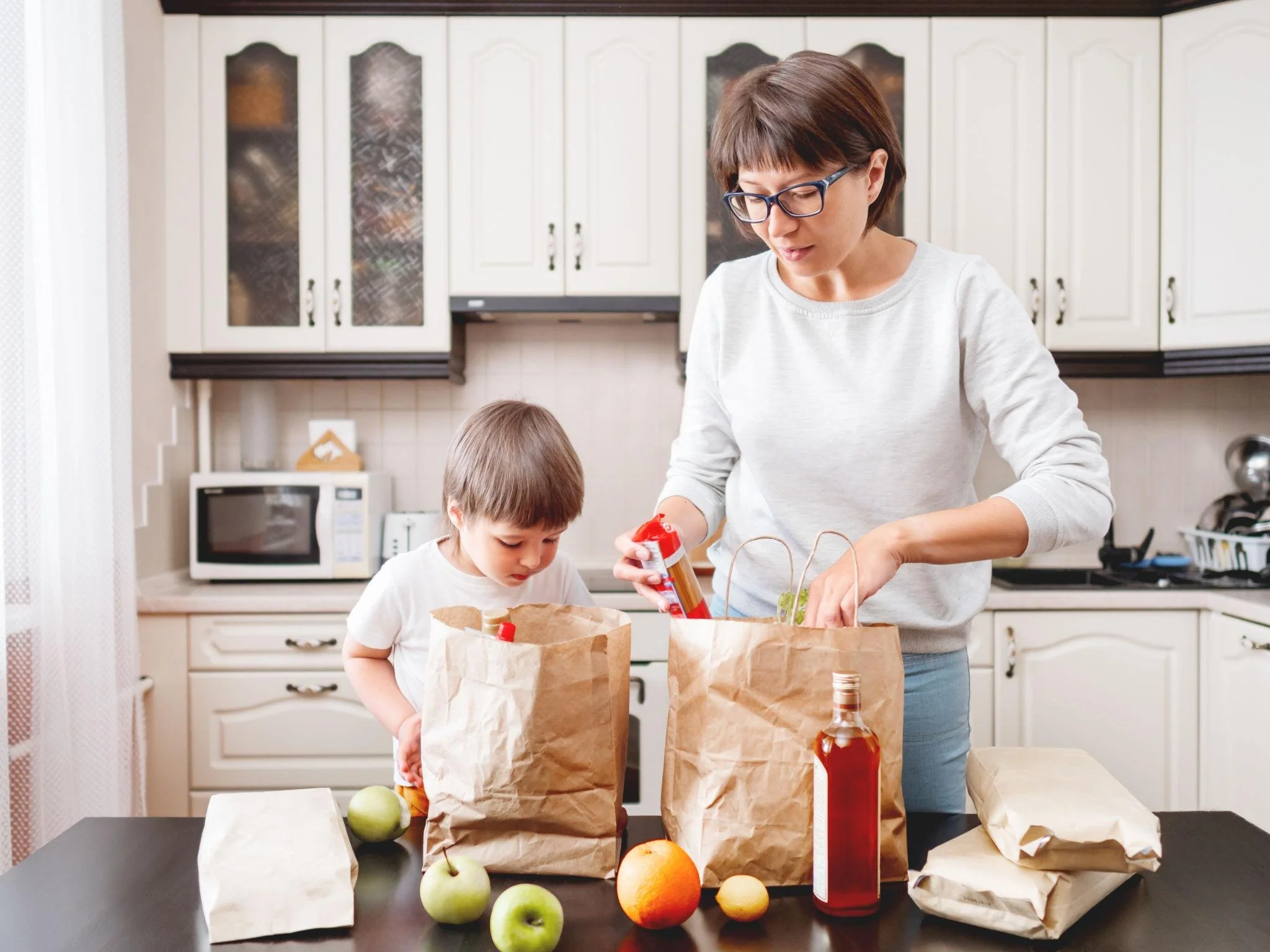
When we talk about food insecurity, a big part of the conversation is often the cost of groceries. And this is for good reason. When food prices rise faster than household incomes, putting meals on the table becomes increasingly difficult.
But in Clallam County, the challenge doesn't always end with being able to afford food.
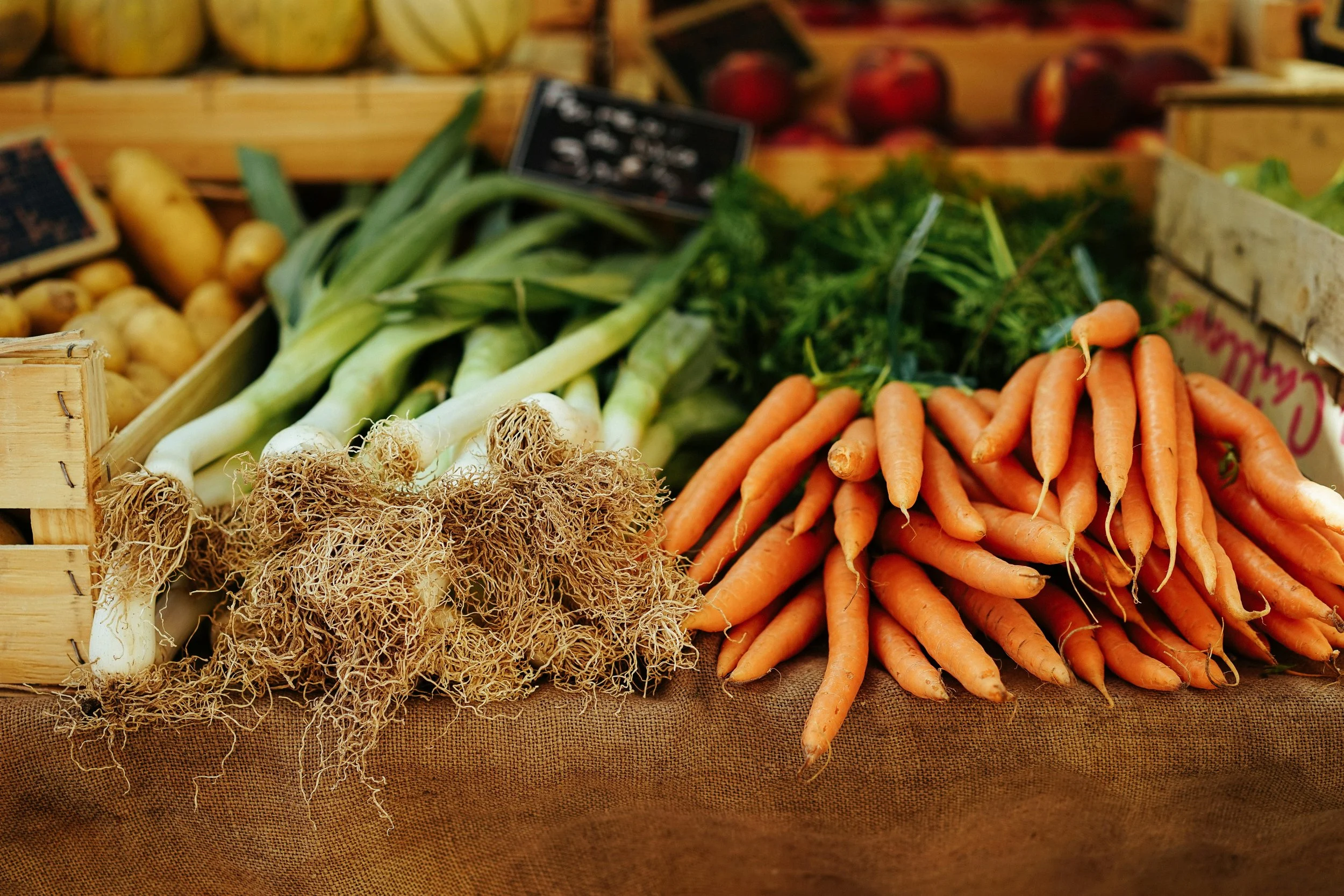
Sometimes, the biggest challenge is finding nutritious food in the first place.
12 Things People Don’t Know About Hunger in Clallam County: #1
There are 12 Fridays left in the year.
Starting today, we will be sharing one blog each week about things people may not know about hunger in our community. We hope you learn, share, and get involved in reducing hunger in Clallam County!
What People Get Wrong About SNAP
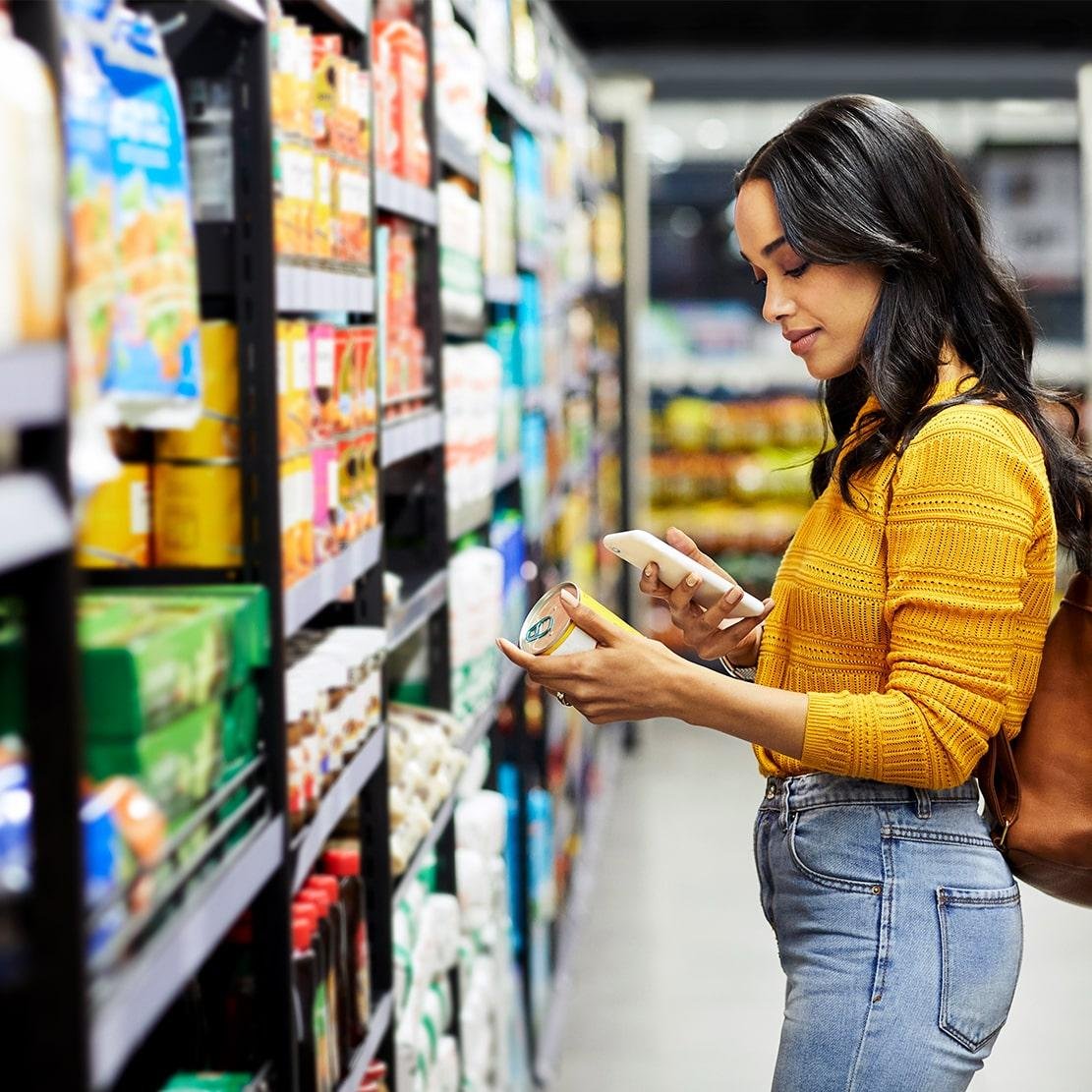
Earlier this year, a public official shared a story about a woman who had relied on SNAP benefits throughout her life. He suggested that because she had always used food assistance, she didn't understand how money worked at the grocery store and needed to be taught how to budget.
It's a story that reflects a common misconception about poverty in America.
At the Port Angeles Food Bank, our experience tells a very different story.
How Grocery Rescue Nourishes Our Community
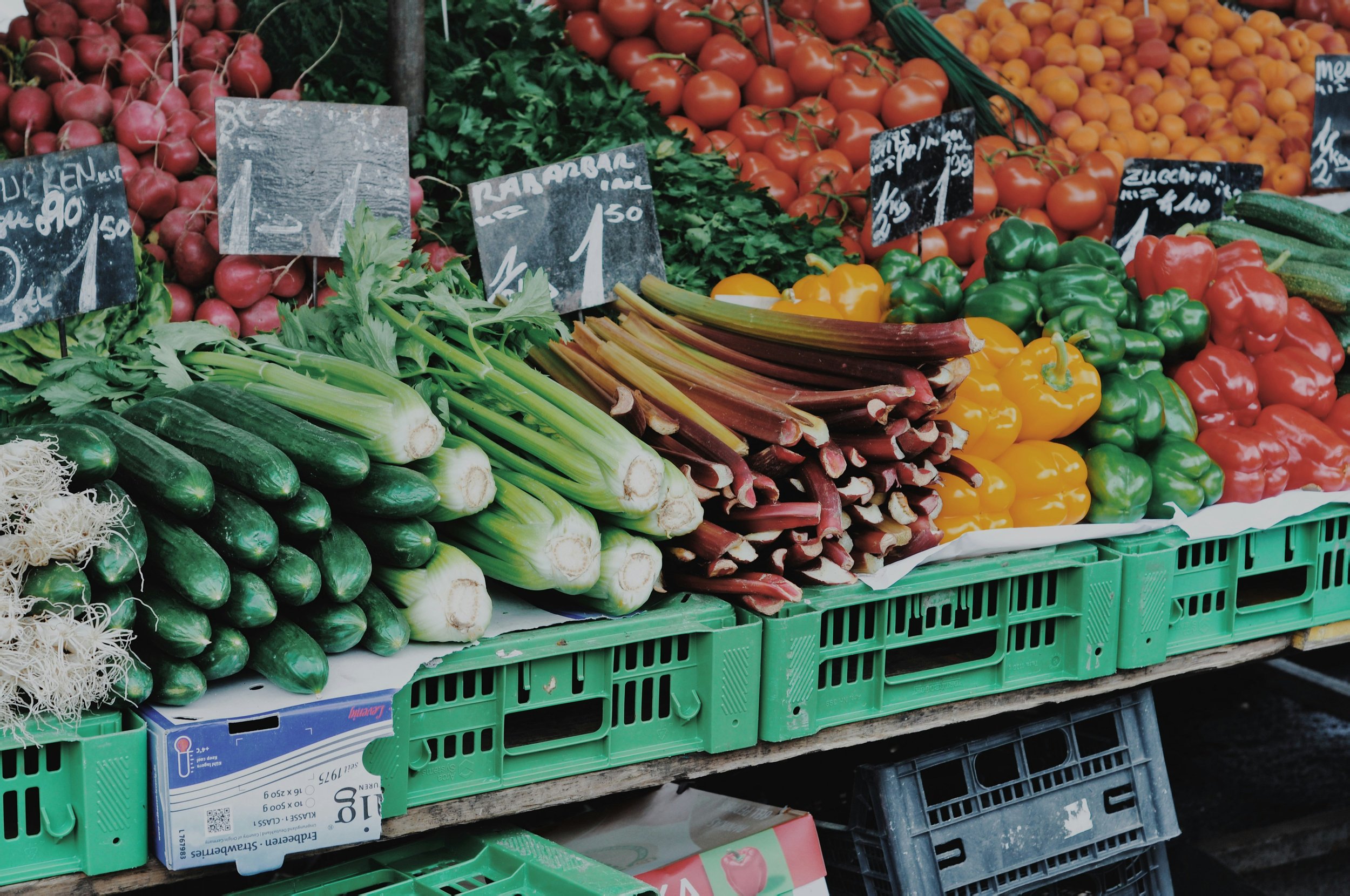
Every morning across Clallam County, grocery store employees pull food from shelves that can no longer be sold. Sometimes it's produce with a few blemishes. Sometimes it's yogurt approaching its sell-by date. Other times it's seasonal inventory, damaged packaging, or excess stock that simply didn't sell in time.
Most people assume that food ends up in the trash.
Thanks to our Grocery Rescue Program, much of it doesn't.
When School Ends on Friday, Hunger Doesn't
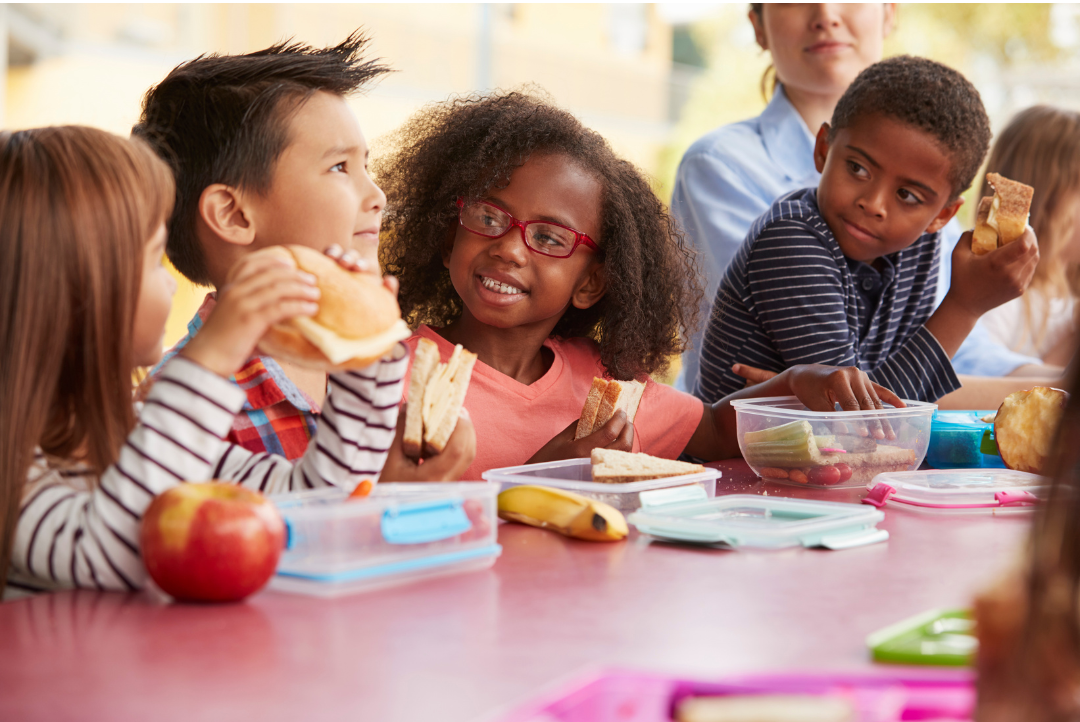
For most children, Friday afternoon marks the beginning of a weekend filled with family, friends, and time away from school.
For hundreds of children across Clallam County, it can also mean something far more uncertain:
Will there be enough food at home until Monday morning?
What the Future of Food Banks Could Look Like
Food banks weren’t supposed to be forever.
They were created to fill a gap. They were created as a way to make sure people could eat when something went wrong.
But now they’re just… part of the system.
Expected. Relied on. Built into how things work.
And that should probably bother us a little.
Why Some Food Bank Foods Don’t Look Like Store Brands (Even Though They Often Are)
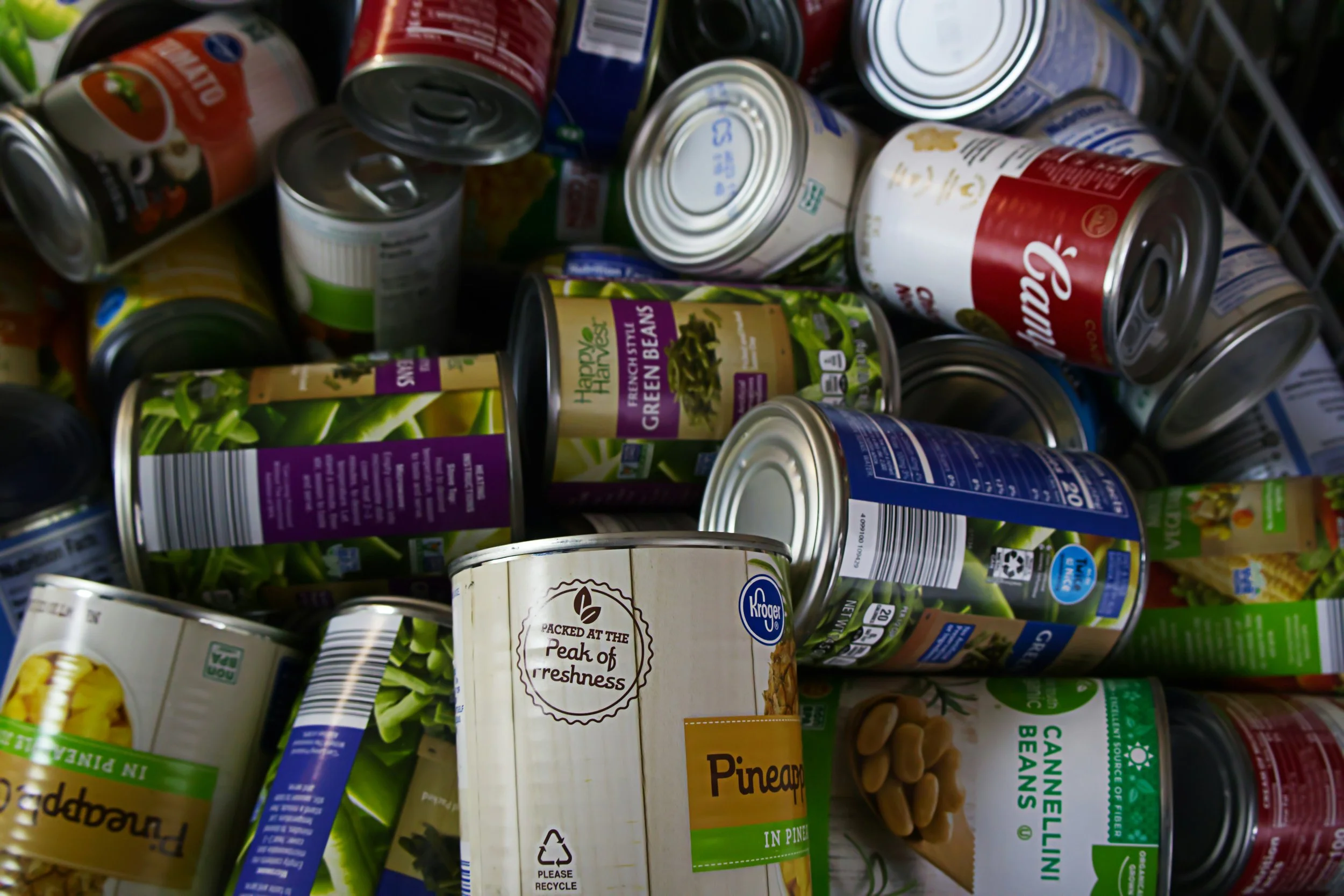
If you’ve ever picked up a can at a food bank and thought: “I’ve never seen this brand in a store before…”
There’s a good chance you actually have, just under a different label.

Why Community Matters Now More Than Ever
There are moments in history when it becomes unmistakably clear that none of us can do this alone. We are living in one of those moments.
Across our community, people are navigating rising food costs, housing instability, medical debt, and a sense of uncertainty that feels constant rather than temporary. At the same time, many are feeling more isolated than ever before. They are working longer hours, juggling caregiving responsibilities, or simply trying to keep their heads above water. In times like these, community is essential infrastructure.
When the weight of a collective pain feels too hard to bear, that is when we lean in.

My 2026 Resolutions for Food Security
In the past five years, the number of people needing food assistance here has risen dramatically, while grocery prices, rent, and healthcare costs continue to climb. At the same time, federal supports are shrinking or disappearing altogether. This is not a temporary spike. This is the new reality and it demands a new way of thinking.
So here are my resolutions for food security in 2026, and why they should matter to you simply because you are a member of this community. We can’t change the world, but we can take care of our own. And what better place to start than at The Market.

The Poverty Line Is a Lie: What That Means for Our Community
Most of us grow up believing that the “poverty line” is a meaningful measure of who is struggling. It sounds official, scientific, and precise — a clean line between people who “need help” and those who are supposedly doing fine. But as this writer recently explained, the poverty line is built on an outdated formula from the early 1960s. It reflects a world that no longer exists.
And because we still use that old formula today, our country vastly underestimates how many people are struggling to meet their basic needs.
At the Port Angeles Food Bank, we see the consequences of that misunderstanding every day.

Reclaiming The Season: The Power of Giving Tuesday
Every year, the days after Thanksgiving unfold the same way: ads shouting from every corner, inboxes overflowing with “deals,” and a cultural pressure to buy, upgrade, consume. Black Friday has become a holiday of its own, centered not on gratitude, but on grabbing as much as we can before someone else does.
But something remarkable has happened in the last decade. A counter-movement has grown.
It’s a movement of people who are tired of being told that their value lies in what they purchase.
Tired of watching corporations turn a season of thanks into a season of consumerism.
Tired of seeing families fall deeper into debt just to keep up with expectations created by someone else.
This movement’s name is Giving Tuesday.
Why the Biggest SNAP “Recipients” Are Corporations, Not People
When people talk about “abuse” of food assistance programs, the blame almost always lands on the people using them — the single mom working two jobs, the older adult stretching Social Security to the end of the month, the family whose rent and medical bills eat up every paycheck.
But if we want to talk about who really profits from the Supplemental Nutrition Assistance Program (SNAP), we should be looking up, not down.
The Myth About Who Needs Food Assistance Is Putting Our Neighbors at Risk
There is a persistent belief in this country that food assistance programs like SNAP and food banks exist mostly for people who do not work.
The assumption is that as long as someone has a job and makes responsible choices, they will not need help putting food on the table. That belief has never reflected reality. And today, it is putting hardworking people at risk.
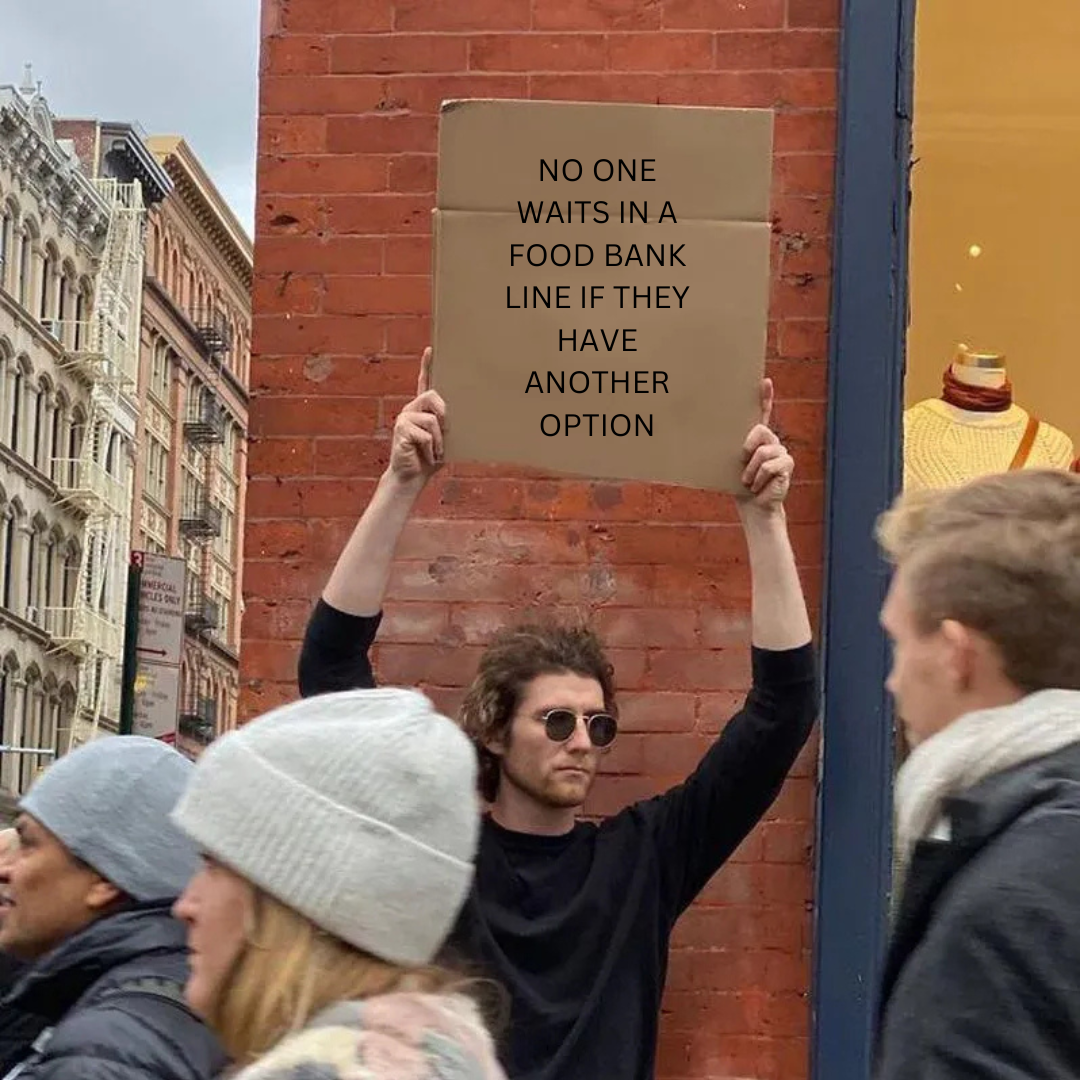
Why a Barrier-Free Food Bank Matters
The Port Angeles Food bank is a barrier free food bank. We don’t ask for ID, we don’t ask for proof of income, there’s no paperwork. If you need food, you get food. That’s it.
This approach is rooted in dignity, compassion, and efficiency. But we also know that some people wonder:
How do you make sure resources aren’t abused?
Is this sustainable?
Why not add just a few requirements?
Let’s talk about it.

What If Everyone Used the Food Bank? Mutual Aid as a Solution to the Hunger Crisis
Imagine a community where everyone uses the food bank.
Not just in crisis. Not just when things fall apart.
But as a normal part of life — a shared resource that helps everyone.
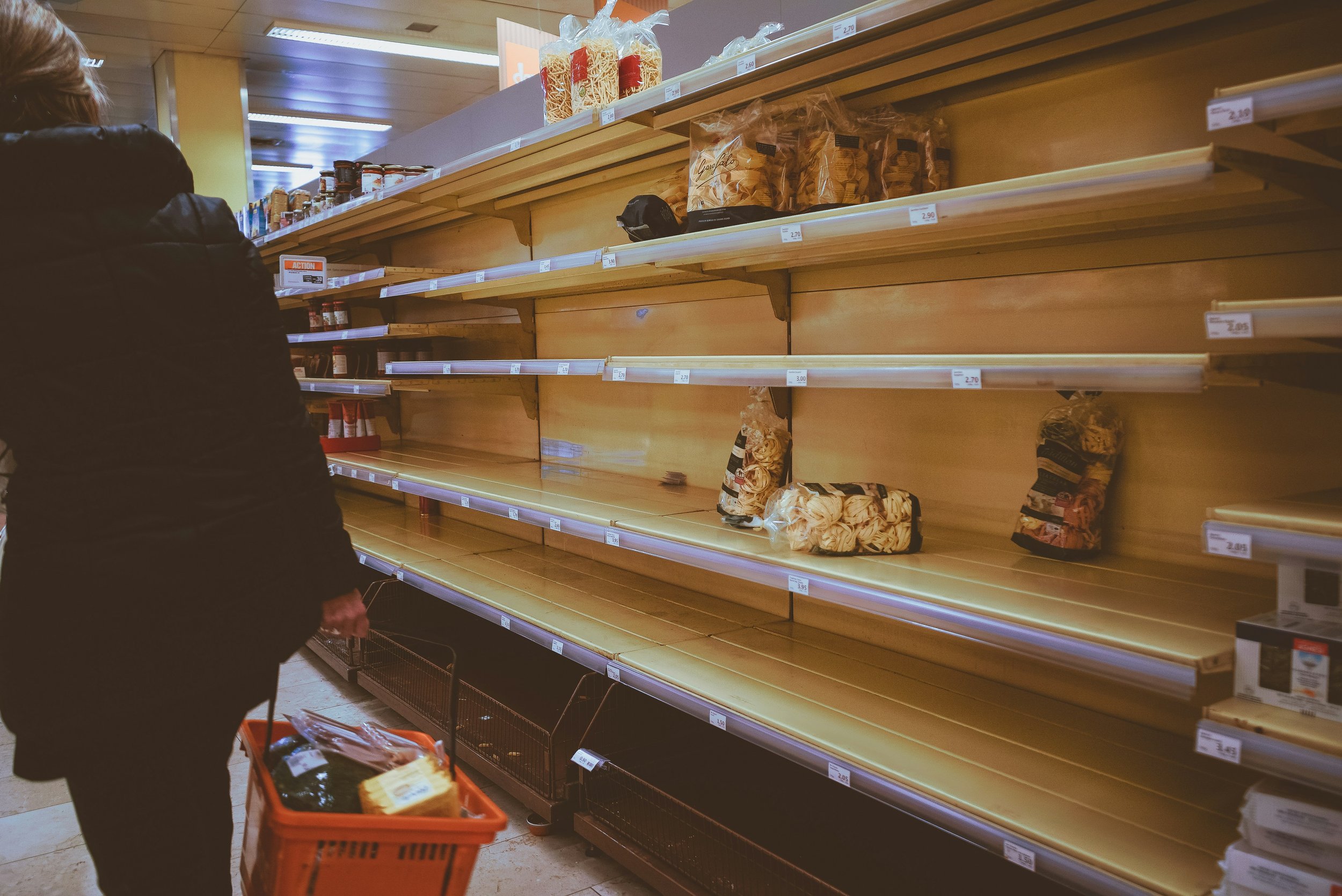
When SNAP Shrinks, Hunger Grows: What Cuts to Food Assistance Mean for Our Community
The Supplemental Nutrition Assistance Program (SNAP) has long been a powerful tool in fighting hunger in the United States. But recent cuts to the program mean millions of people nationwide will have even less support to buy groceries. And here at the Port Angeles Food Bank, we’re already feeling the ripple effects.
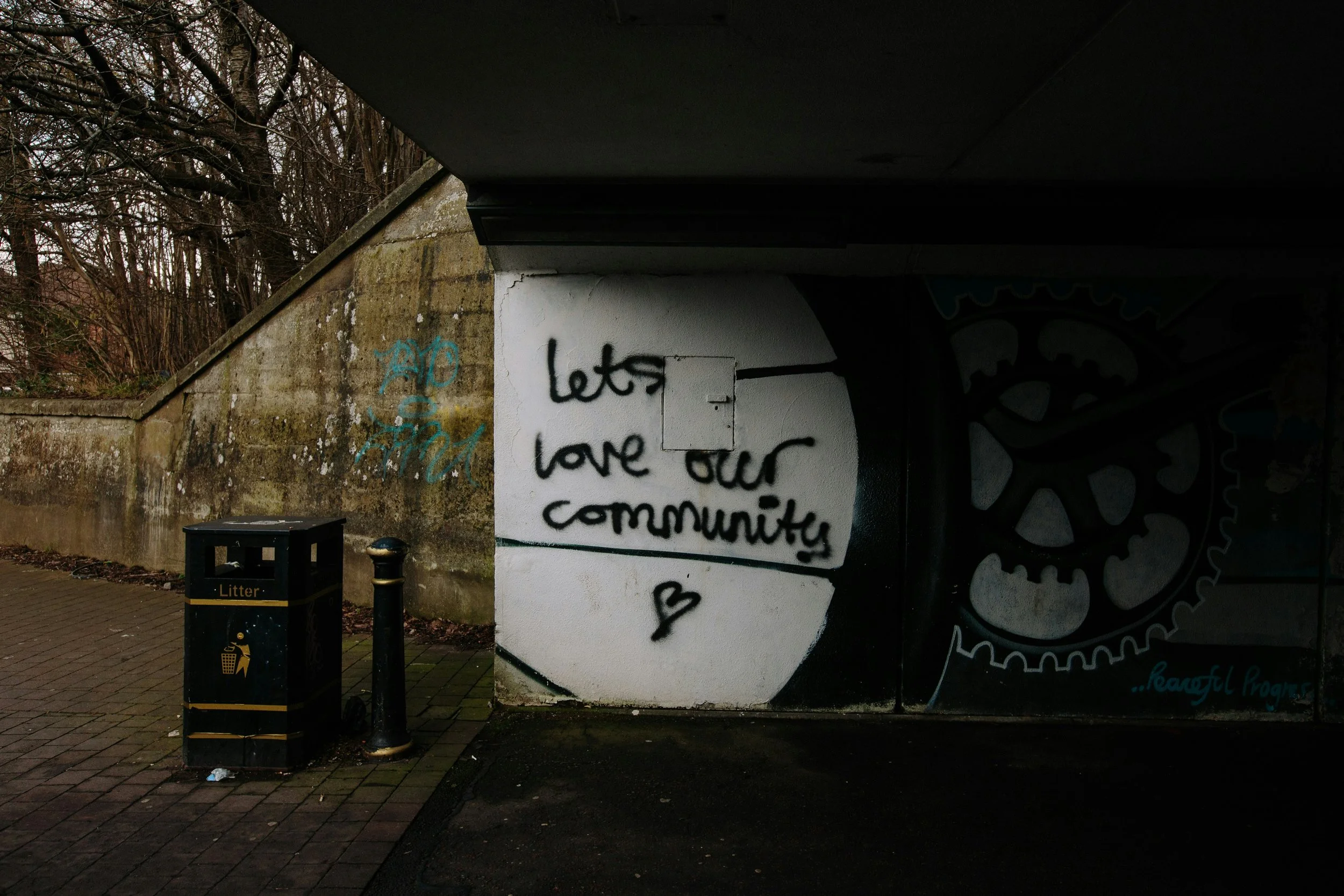
What If the Food Bank Was a Symbol of Abundance, Not Desperation?
When you picture a food bank, what comes to mind?
For many people, it’s a dimly lit space with long lines and low spirits. It’s a last resort. A place you go when things have gotten really bad. It's where you end up when you’re out of options.
But what if that image is wrong? Or at least incomplete?
At the Port Angeles Food Bank, we’re working to flip that script entirely.

Charity Without Justice is Just Exploitation With a Smile
“Charity without justice is just exploitation with a smile.”
It’s a powerful statement. Maybe even a little uncomfortable. That’s on purpose.
At the Port Angeles Food Bank, we believe in doing more than handing out food. We believe in asking deeper questions about why people need food assistance in the first place and what we can all do to change that.
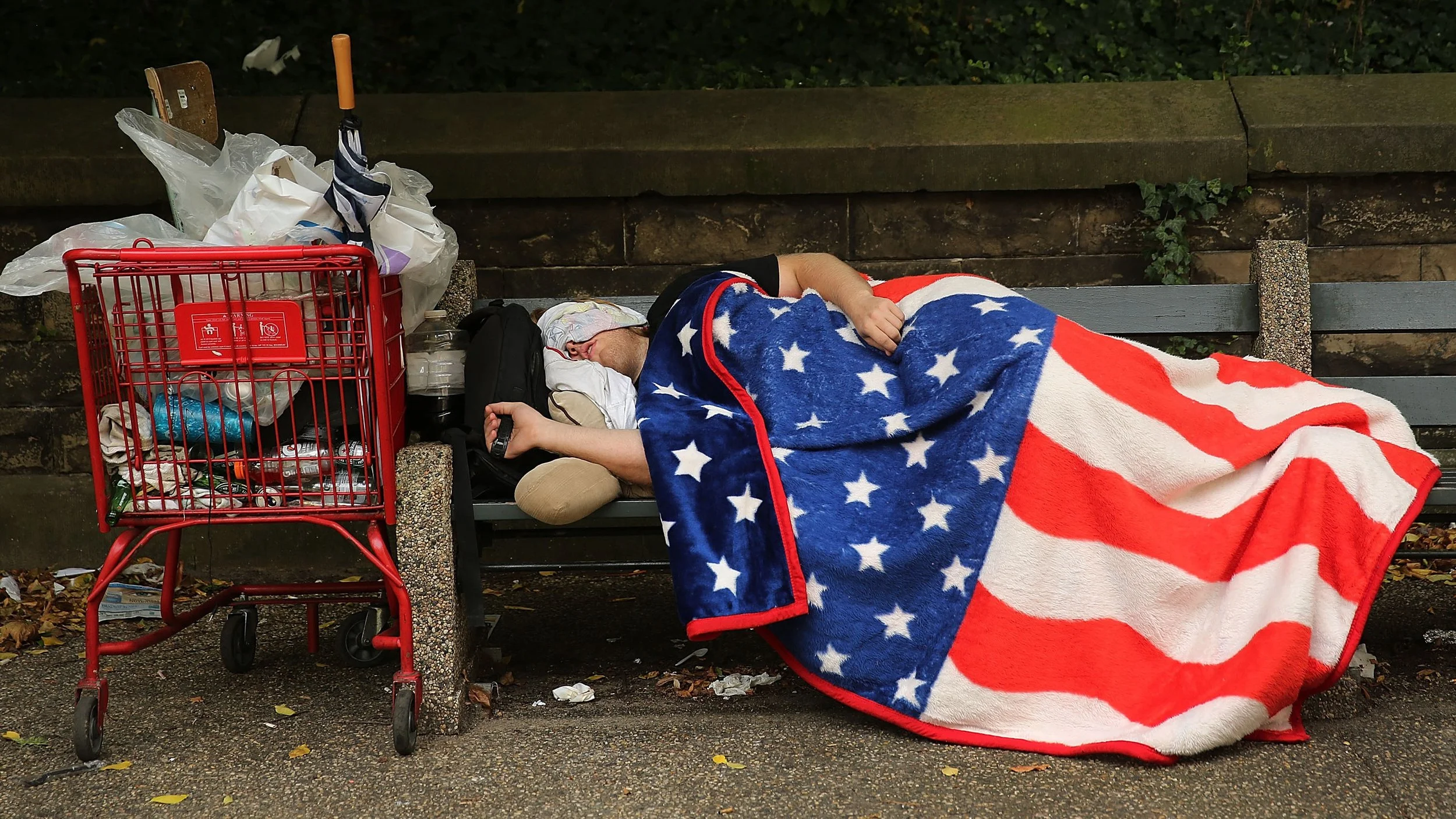
Why Does Poverty Persist in America? A Look at Poverty, by America
The central question of the book is simple but radical: Why does the richest country on Earth have so much poverty?
Desmond’s answer is equally bold: Because so many of us benefit from it.
Not in obvious ways—not by cheering it on—but through the structures we live in, the tax breaks we receive, the wages we pay, and the policies we support or ignore. Poverty, he argues, is not accidental. It's produced and maintained.

When the System Says No: Hunger, Hustling, and the Quiet Cost of Exclusion
In his book In Search of Respect, anthropologist Philippe Bourgois shares the story of Primo, a young man in East Harlem who wants to do things “the right way.” He wants a steady job. He tries. Again and again. But he hits walls.